

Introduction
Imagine a Nigeria where every kid has access to Internet as a companion to study and review homework or where every business owner can afford reliable and affordable internet access?
“Connectivity explosion” refers to the rapid and widespread increase in the number of devices, systems, and networks connected to the internet or to each other. This surge in connectivity is driven by the proliferation of IoT (Internet of Things) devices, advancements in telecommunications, and the increasing integration of technology into various aspects of daily life.
The remarkable strides made in the USA, China, and Europe, has ushered in an era of unparalleled progress and opportunity. The growth was fueled by widespread internet access, the proliferation of smart devices, and revolutionized how they communicate, work, and innovate.
It has not only stimulated economic growth but also catalyzed advancements in various critical domains. Industries like e-commerce, fintech, and digital services have thrived, propelling economic development and job creation.
The interconnectedness of markets has facilitated international trade, enabling businesses to expand their reach globally. This heightened connectivity has become a bedrock for economic prosperity, driving innovation, competitiveness, and ultimately, higher GDP figures.
The connectivity explosion has significant implications for various industries and aspects of society:
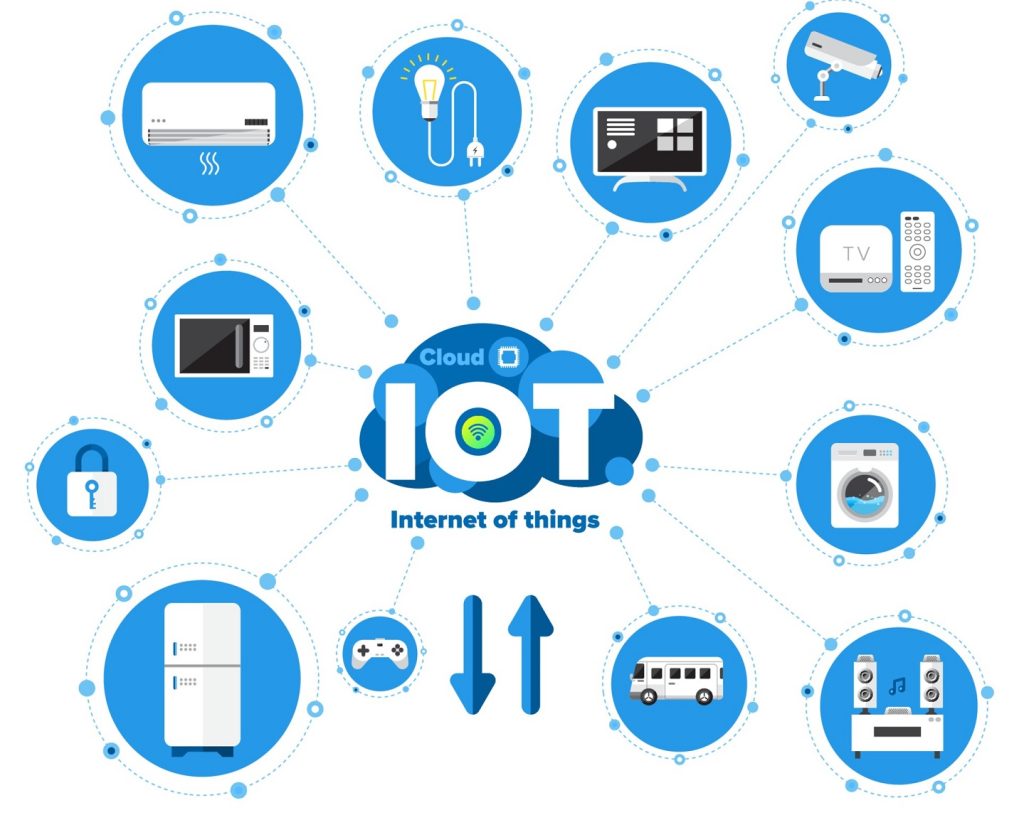
1. IoT Growth: The proliferation of IoT devices, which include everything from smart energy meters to industrial sensors, contributes heavily to the connectivity explosion. These devices collect and exchange data, enabling more efficient and automated processes.
2. Data Volume: With more devices connected, there is a corresponding explosion in the volume of data generated. This “big data” presents both opportunities and challenges in terms of data management, analysis, and privacy.
3. Industry 4.0: The fourth industrial revolution, often referred to as Industry 4.0, is characterized by the integration of digital technologies into industrial processes. This includes smart factories, automated supply chains, and real-time monitoring of production.
4. Smart Cities: Urban areas are becoming increasingly connected through IoT devices and smart infrastructure. This leads to improvements in areas such as transportation, energy efficiency, and public services.
5. Healthcare and Wearables: The healthcare industry benefits from the connectivity explosion through wearable devices, remote monitoring, and telemedicine, allowing for more personalized and efficient healthcare delivery.
6. Communication Networks: The demand for robust and high-speed communication networks (like 5G) is a response to the need for reliable connectivity in a world with an explosion of connected devices.
7. Economic Impact: The connectivity explosion has far-reaching economic effects, influencing industries, job markets, and business models. It creates opportunities for innovation and disruption.
Overall, the connectivity explosion is transforming the way we live, work, and interact with the world around us. It’s a fundamental shift in the way society operates and represents a significant driver of technological progress.
Nigeria, like many other countries, has been experiencing a significant increase in connectivity due to advancements in technology and infrastructure. However, predicting an exact year for a “connectivity explosion” is challenging and depends on various factors such as government policies, investments in technology, and the adoption of digital initiatives.
Factors that could contribute to a potential connectivity explosion in Nigeria might include:
1. 5G Deployment: The rollout of 5G networks, which promise faster and more reliable internet connections, could lead to a substantial leap in connectivity.
2. Government Initiatives: Government policies and initiatives aimed at improving digital infrastructure and increasing internet accessibility can play a crucial role in accelerating connectivity.
3. Private Sector Investments: Investments from telecommunications companies and other private sector players in expanding network infrastructure and services.
4. Technological Advancements: The introduction of new technologies, such as satellite internet or innovative communication technologies, could drive connectivity growth.
5. Digital Inclusion Efforts: Programs focused on ensuring that underserved or remote areas have access to affordable and reliable internet services.
6. Economic Growth and Urbanization: These factors can stimulate demand for digital services, pushing for more extensive connectivity.
Beyond the economic realm, the connectivity explosion has permeated critical sectors, amplifying its impact on research, education, and entrepreneurship. In research, scholars and scientists can now collaborate seamlessly across borders, sharing knowledge and accelerating discoveries.
This unprecedented access to a global network of expertise has propelled breakthroughs in fields ranging from medicine to renewable energy. Moreover, the digital age has democratized education, affording learners of all ages and backgrounds access to a wealth of information and educational resources.
Online learning platforms and remote education initiatives have become essential tools, ensuring that knowledge remains accessible even in the face of physical constraints. This inclusive approach to education has the potential to narrow educational gaps and foster a more knowledgeable and skilled workforce, driving further economic advance and societal development.
In conclusion, while it’s difficult to pinpoint an exact year for a “connectivity explosion,” it’s reasonable to expect continued growth in connectivity over the coming years in Nigeria and pay close attention to improvement to the percentage of population with access to steady electricity.