

McKinsey posits that AI will transform every industry just as electricity did 100 years ago, and create a $13 trillion GDP growth by 2030. They also added that Energy, Education, Logistics, Manufacturing and agriculture will the the most affected industries.
In another report, Andrew Ng sums up AI brilliantly ‘’AI is automation on steroids, Ng was also prompt to point out that AI is good at automating tasks and not replacing jobs.’’
Companies that seize the AI opportunity will be deemed as ‘intelligent enterprises’ in which all processes are digitized, decisions are data-driven, and machines do the heavy lifting in terms of cognitive (reasoning) and physical workloads. We can cascade the core strengths of AI into:
- Reducing cost,
- Increasing revenue, and
- Creating new lines of business.
It’s not easy for AI to make jokes, however, analyzing gigabytes of data is second nature to AI which is virtually impossible for humans. The main impact of AI is complementing and augmenting human capabilities, not replacing them. Hence, businesses should embrace AI as a tool to improve output and employees should embrace AI as a digital assistant to increase throughput, Because at the end of the day, humans still need to do three things to make AI successful:
- Training machines to perform tasks
- Explain the outcome of the task
- Prevent machines from harming humans.
At Hacom Energy, we are building an AI-powered Energy management and grid analytics platform – Orion360, with 3 core product offerings.
Product Offering I. Disco Feeder Compliance (analyze transformer meters data)
Product Offering II. Grid/Utility analytics solutions (analyze Disco end-user data from AMI/AMR)
Product Offering III. Residential energy management ( analyze residential, commercial and industrial electricity usage from smart breakers and smart relays).
We will train Orion360 with the data we get from communicating directly with the hardware protocol using MQTT broker and DSLM with OPENMUC and APIs from utility providers. Below are the product offerings after training Orion360
Product Offering I: Disco Feeder Compliance Solution
Background
The Nigerian Electricity Regulatory Commission (NERC) recently announced a significant tariff increase for Band A customers, raising rates from N68/kWh to N225/kWh, a 300% surge. This increase aligns with the Service-Based Tariff (SBT) methodology introduced in 2020, which aims to establish a fairer, cost-reflective payment structure based on power supply reliability. However, many Band A customers, who are supposed to receive over 20 hours of daily supply, report receiving far less, sparking disputes.
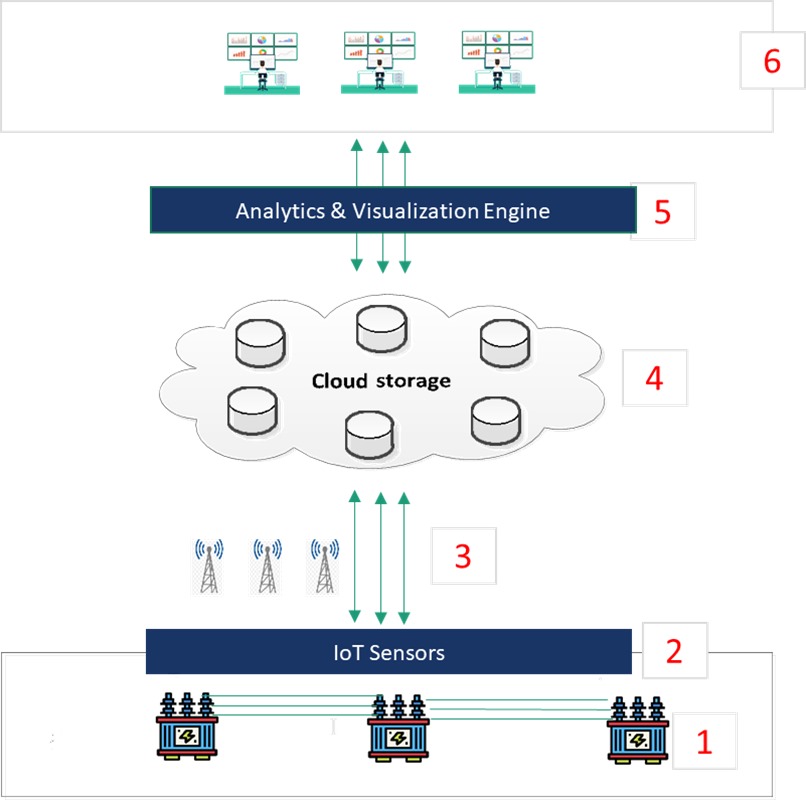
To address this, a real-time feeder visibility solution called Orion360 is proposed. Orion360 will use IoT devices installed at all feeder points (11/33KVA transformers) to provide real-time data on power supply availability. This system will autonomously visualize and compute the performance of Band A feeders without third-party interference.
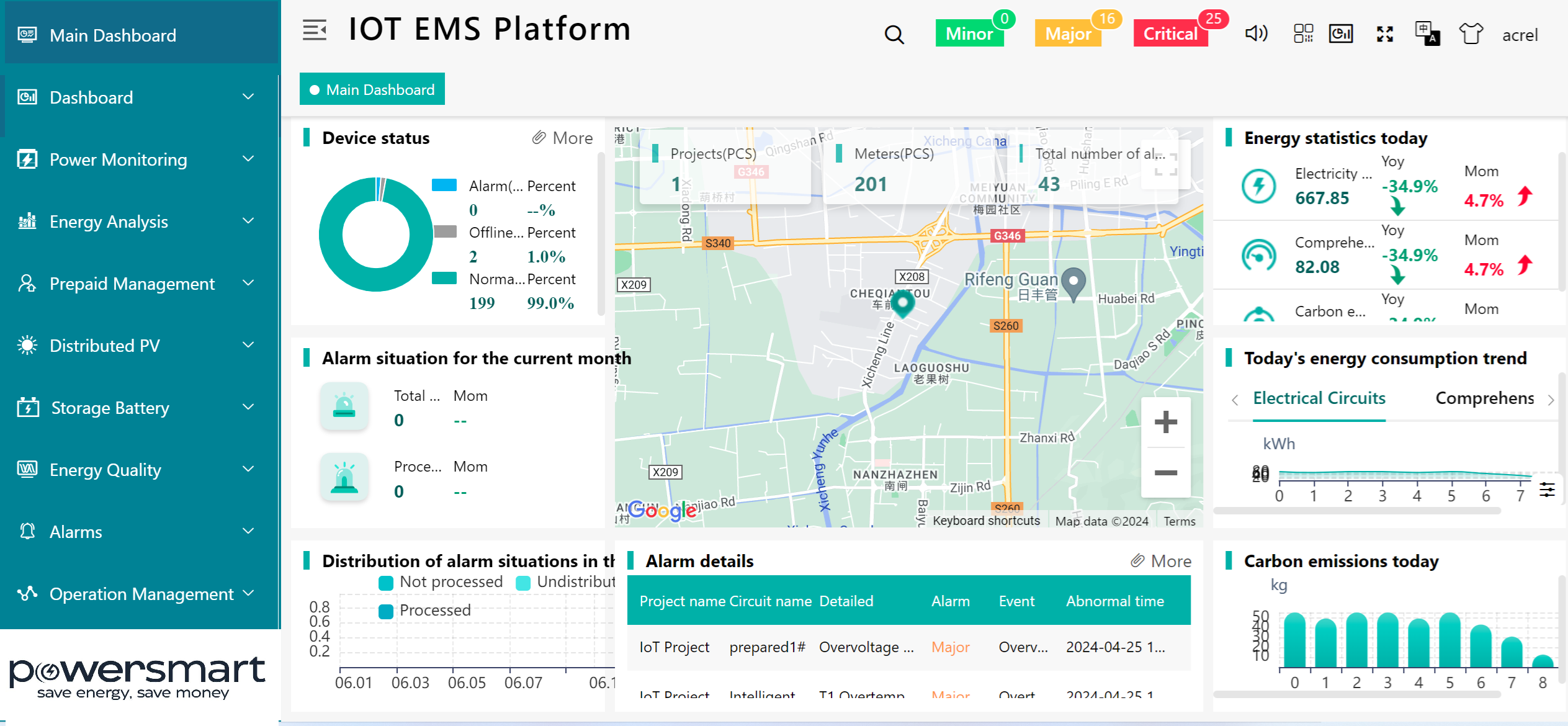
Orion360 aims to reduce management costs, improve energy efficiency, lower consumer energy costs, and enhance energy accounting. It will achieve this through real-time analysis of meter data, focusing on energy performance, consumption unit operation, self-diagnosis, trend forecasting, and carbon emissions management.
Product Offering II Grid/Utility analytics solutions:
Background
For power distribution companies and utility poviders to stay efficient, they need deeper insights into the datasets generated by the distributions meters and consumers meters alike. Orion360 will provide advance analytics such as user behavior, debt payment analysis and transaction frequency analysis to help the Disco make better business decisions.
User Behavior Analysis – Usage Patterns:
- Utilize the ‘Meter’ column to group transactions by individual users.
- Analyze the ‘Units’ column to understand the consumption patterns of each user.
- Identify users with consistently high or low usage, as well as those with fluctuating consumption.
Payment History:
- Examine the Debt Total, Debt Paid, and Total Amount columns to understand the payment history of users.
- Identify users who frequently have outstanding debts and those who consistently make full payments.
Frequency of Transactions:
- Count the number of transactions for each user to determine their transaction frequency.
- Identify users with irregular transactions and those who engage in frequent transactions.
Transaction Frequency Analysis:
Temporal Patterns:
- Analyze the timestamp data (Created On) to observe temporal patterns in transaction frequency.
- Identify peak transaction periods, such as specific times of the day or days of the week.

Irregularities:
- Detect irregularities in transaction frequency, such as sudden spikes or drops.
- Investigate the causes of irregularities, which could include system issues, or external factors (Third party network).
Long-Term User Behavior Trends:
Time-Series Analysis:
- Use the timestamp data to perform time-series analysis on user behavior, consumption, and payment patterns.
- Identify any upward or downward trends over an extended period.
- Segment the dataset into intervals (e.g. months or quarters) and analyze trends within each segment.
- Identify any seasonality or consistent changes over time.
Correlation Analysis:
- Calculate the correlation between Debt Total, Debt Paid, and Total Amount.
- Understand how the total debt influences payment behavior. And also, Debt Recovery Strategies: Based on the analysis, plan strategies for encouraging users to pay off debts, such as targeted communications on pattern of payment.
Product Offering III: Residential Energy Management
Background
Over the past five years, energy bills have steadily increased, highlighting the urgent need for better energy accounting. Currently, electric companies provide a single bill for the entire household, with no way to track individual appliance consumption. This makes it difficult to manage usage and reduce costs.
Efficient power utilization is essential to save money and conserve energy for broader distribution. Often, people leave their homes or offices without turning off appliances, especially when there was no power supply from the grid at the time. Additionally, children may unknowingly waste energy by leaving multiple appliances on simultaneously and electrical appliances also consume significant electricity in standby mode over time.
Smart solutions are needed to help consumers save on utility bills., with Orion360, residential and small commercial electricity consumers can gain insights into their appliance energy consumption through its electricity status features.

Hacom Energy offers NEMSA-certified smart breakers and distribution boards that can replace or complement conventional breakers in homes and offices, providing a smart solution to manage and reduce energy usage effectively.